Like many before
who have washed ashore,
it’s been a winding path
This is how I got here
–

IT/AV System Integration
In 2005 I left the corporate world in Boston to live year-round on Nantucket.
Not quite a fit on the corporate treadmill nor on rural Cape Cod, I found I connected best to both worlds on Nantucket island. Small business technology for real people, in a place where white-collar and blue-collar meet.

I’ve owned and operated two tech support businesses, providing IT/AV system integration and event tech direction for both the year-round and seasonal communities.
My niche on island became “back-of-the-house” technology consulting for over 500 clients, servicing hotels, restaurants, retail, construction trades, real estate, non-profits, and 2nd homeowners.
Events & Performance
Some people play golf, I play music
Connecting with other players who washed ashore from all over the world has been one of my favorite aspects of life in a small community.
I became a jack-of-all-genres, plugging into groups where I could best help as a sideman over the years.
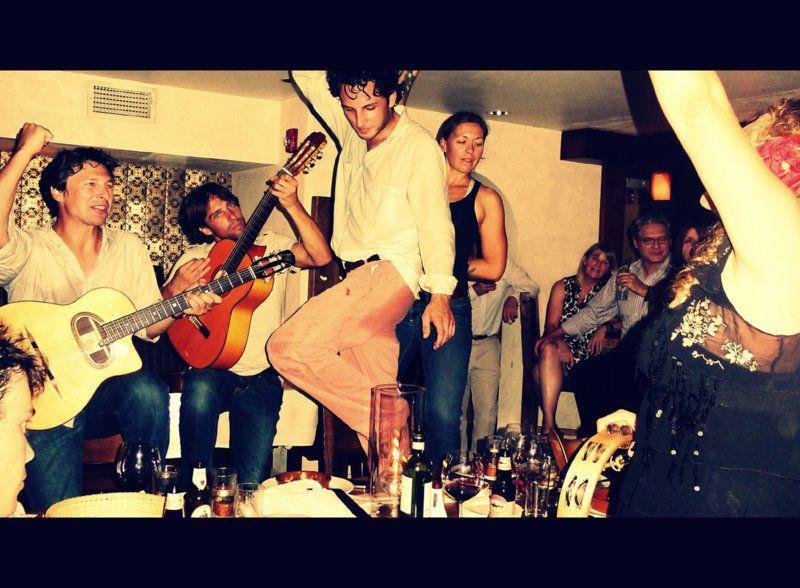
On nights and weekends, I had the opportunity to work over 300 professional shows, primarily in the summer seasons.
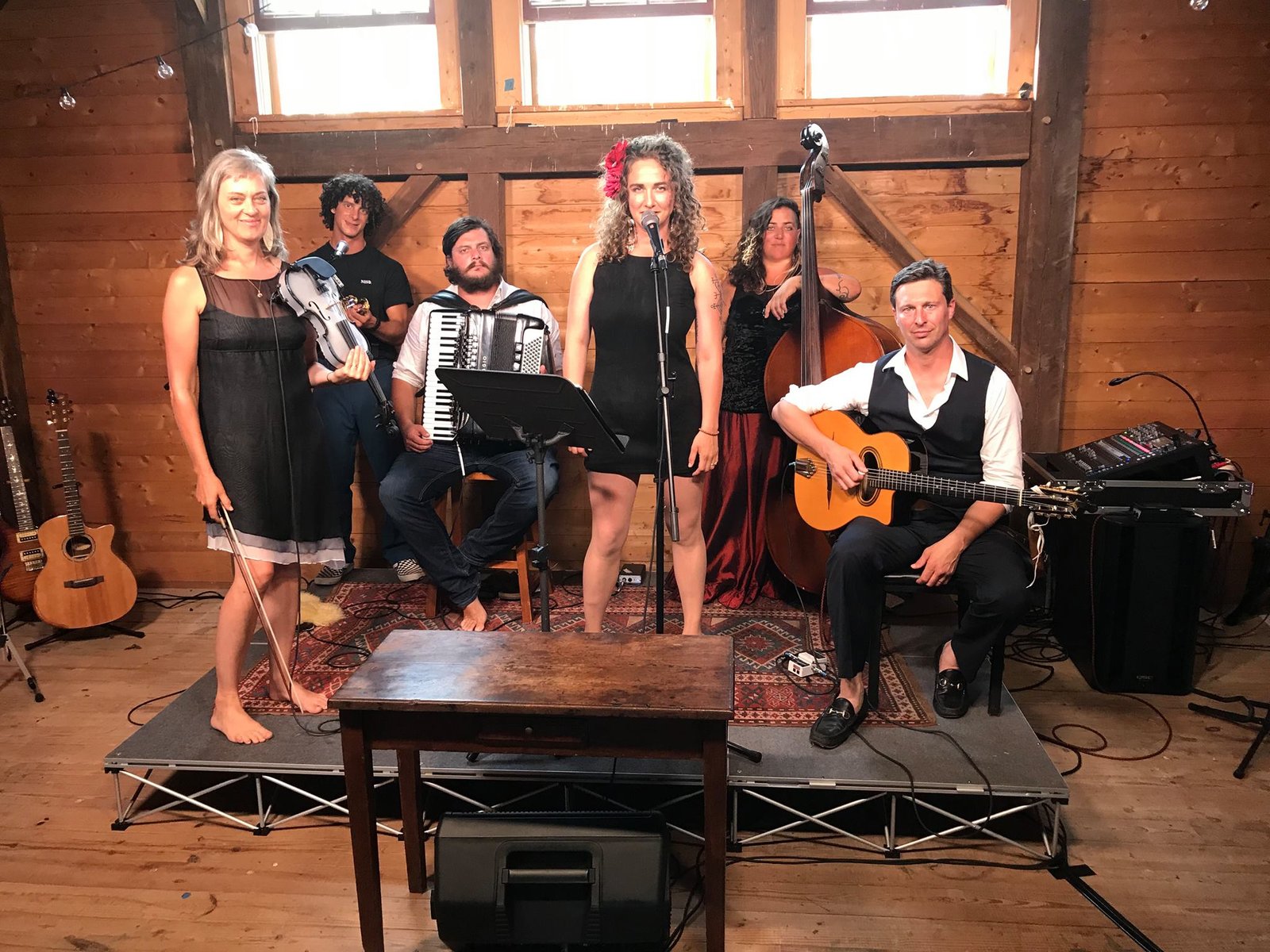
I’m a founding member of Coq au Vin, Nantucket’s Gypsy band, Buckle & Shake, the island’s Cowpunk Country band, Organist at Union Lodge F & AM, and the Musical Director for Bill Schustik, the American Troubadour
In addition to Gypsy and Country, I also have worked in Bluegrass, Indie Rock, Celtic, Folk, Soul, and what is now called Yacht Rock.

Year Round Nantucketer
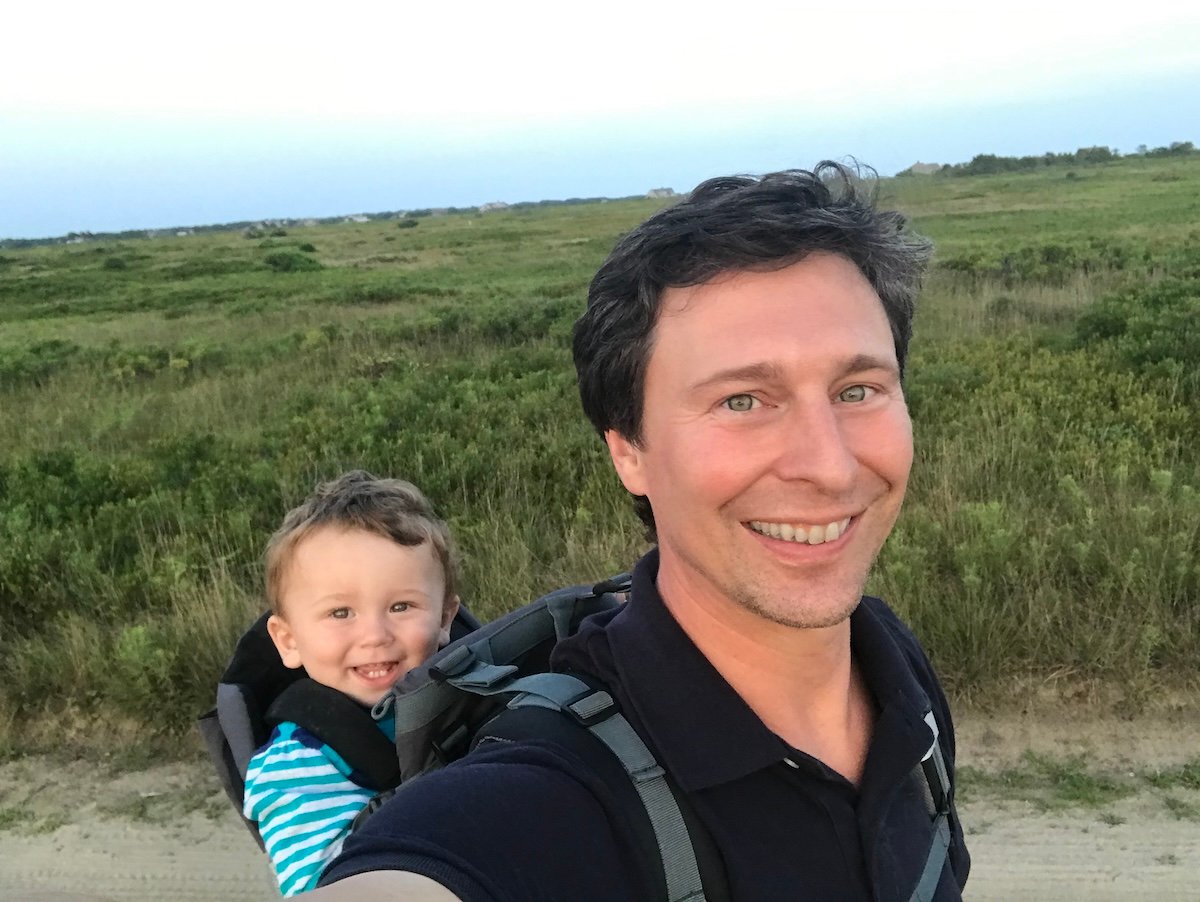
My 20 years on Nantucket has been unique – an El Dorado of safety in which to raise my son, Thoreau-like open spaces in which to live, and a talented community of Whalers, washashores, tradesmen and creatives with whom we have built a life.
Nantucket, like all neighborhoods, is changing. I’m changing with it, closing one chapter to begin the next.
After two decades serving our local community on island, I’m grateful for the opportunity to use my skills in the expanding market for smart home automation.
Dot.Com Refugee
After college my first jobs were working in Boston startups through the first wave of the Internet revolution.
The skills and lessons I brought to Nantucket were acquired from running the gauntlet in different tech industries.
These are the stories from a young tech sales guy that don’t go on LinkedIn
The Telecommunications Act of 1996 was the precursor for the next 25 years of utility and telecom deregulation, creating a wave of startup companies.
My first sales jobs after college were at startups MetraCom and UniDial Communications, providing Telecom and Internet services for small and medium-sized businesses
As the costs of building out infrastructure forced companies to consolidate, both were merged and eventually acquired by Lightyear Communications.

After the Telecom industry, I joined the sales team of Hotjobs.com in the Boston Seaport office.
We sold first generation web-based recruiting software, basically the first generation Software-as-a-Service (SaaS) tools as companies began the transition from print advertising to online job boards.
The late 90’s early 2000’s dot-com bubble was a fascinating lesson and an amazing cultural moment in time to witness from the inside. We had the cliché dot-com open office space with games and friday beers for a hyper-competitive sales bullpen of 20-somethings and a logo-wrapped PT Cruiser.
We’d run Super Bowl ads in January and ride the hype all year to reach quarterly goals. Sales meetings were creative whiteboard math motivation that our stock options would get to 7 figures.
Meanwhile we’d all be glued to Yahoo finance where we could see executives were dumping their shares as the Web 1.0 startups transitioned from FastCompany.com to F*ckedCompany.com
The NASDAQ crash, competitor hostile takeover attempts, September 11th and the first shots of a 20 year war set the table for employees with worthless stock options and an acquisition by Yahoo, effectively closing out the dot-com era.
RadioBoston.com was an Internet radio project spun off from New England Streaming Media (NESM), a tech company in Davis Square, Somerville, MA.
Acquired for the technology, NESM’s early streaming software’s primary purpose was to host MFS Investment Management’s internal shareholder video conferencing meetings.
The founders got funding for the Internet Radio Startup, which featured 24/7 online broadcasting of signed and unsigned talent from the New England area.
I joined Radio Boston as the Business Development Manager, with the hope that DSL and residential high-speed Internet would soon be adopted.
Unfortunately it was so early that most residential listeners were still on dial-up modems at 56kbps, making a video and radio stream almost impossible.

Post Napster, RadioBoston became a casualty of the first fights between publishers and streaming services.
The Recording Industry lobby (RIAA) got Congress to legislate retroactive performance royalties on all Internet radio streaming companies.
Fees were per song, per stream, retroactive for 3 years, effectively shutting down the entire industry at the time.
Mark Cuban’s stroke of brilliance was to sell his Internet Radio streaming business to Yahoo a few months earlier, just before the entire bubble burst.

I worked in ad sales at Sapient Partners, known as Chase Associates during my tenure.
We were a 12-person boutique advertising agency in Cambridge, MA, pitching and creating advertorial sections to complement the editorial content in Fortune, Forbes, and BusinessWeek.
Each day was the same, smiling and dialing a list of Small-cap companies from Biotech, Manufacturing, Law, Pharma and similar vertical markets.
The pitch to submit content on their latest products to reach potential investors at 15% of the normal ad costs.
This extremely tedious and repetitive work actually taught me a small measure of Zen
Zen in 2025 is coming full circle from my sales experience to automate parts of this role away with AI with my firm Town and Trades
Finally I took on the business development manager job for Domani Software Services, a custom software development company with 8 programmers and me in a tiny Medford office next to Tufts.
Our primary product was a bone densitometry software product developed for Mass General Hospital and outpatient clinics. With most revenue coming from medical clinics and little appetite for custom coding jobs, the best option for their firm was to downsize and rebrand as CardeaTech.
By this point on the corporate carousel, I was ready to work for myself.
An opportunity arose from a Cape Cod friend to move out to Nantucket and help him build up a IT support company called Around the Point.
I left Boston, moved to the island, fell in love with the pace of life and way of working and never went back to mainland corporate America.
The best thing about PC is their mandatory 2 years of daily Western Civilization classes, which was priceless.
Team-taught by Dominican Friars and laypeople, it covers the History, Literature, Philosophy, Art, and Religions of Western Civilization, from 3000 BCE Mesopotamia to the turn of the 21st century.
The worst thing about PC was that their Marketing degree became totally worthless. Career PhD academics with little actual experience half heartedly trained kids for the last gasps of 20th century corporate middle management.
Universities, then as they are now, have been failing US students by disconnecting curriculum from the reality of the corporate or entrepreneurial workplace.
That specialization is now 4x the cost and is especially worthless in a post-AI world.
A note from a Gen Xer for young adults and students:
Learning how to learn, how to think critically, and having the openness to understand how the world has worked for the past 5,000 years has 100x the impact of deconstructing Bud Light Super Bowl commercials as a business major.

Labor Day sell out
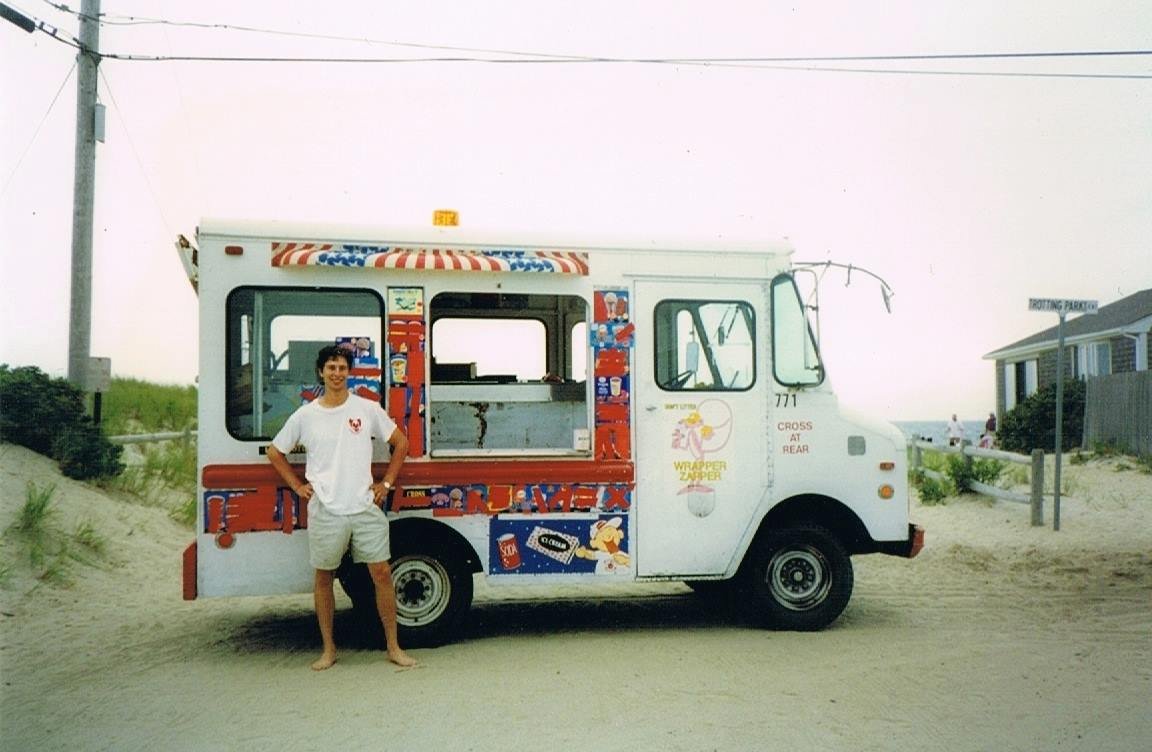
I spent my summers during college on Cape Cod, operating an ice cream truck business in Harwich, Dennis, Sandwich, and Hyannis, MA.
Being the ice cream man meant hustling beach routes and neighborhoods with locals and summer folks, and was foreshadowing for preferring to work for myself on a more remote island 30 miles of the coast than on the corporate route.
The food truck money, combined with designing and selling underground Providence College T-shirts to freshmen, saved me from a 1990’s minimum wage job during school.
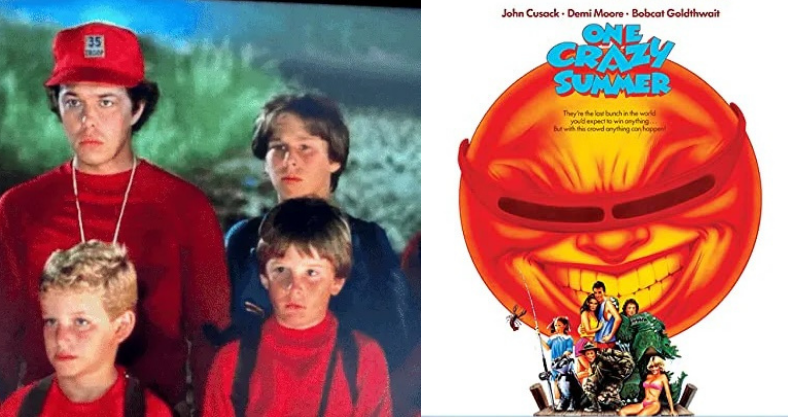
I was an extra in a 1980’s teen comedy set on Nantucket, but mostly filmed on the mainland in Hyannisport, MA.
My height got me in as the 2nd scout leader from the right in “One Crazy Summer”, starring John Cusack, Demi Moore, Jeremy Piven, and Bobcat Goldthwait.
I didn’t get to meet anyone, but it was the first $43 connected to my Social Security number, and 20 years later it seems I was the only extra who ended up actually moving to the island.
The “acting” job was standing expressionless next to Curtis Armstrong (“ACKACK”, and “Booger” from Revenge of the Nerds), and not reacting to the guy from SCTV as he improvised a scene about picking up dead bodies from a hypothetical plane crash for a scout troop.


Who I am and what I do is inseparable from my Sicilian and French Canadian immigrant family’s values, washing ashore the century before me.
My father was the Media and Library Director for my school district, the IT/AV guy before there was such a thing.
His father was a machinist from Western MA, eventually working in Detroit for the Big Three car companies, dropping dead suddenly on the factory line.
My mother is a classically trained mandolinist and violinist trained at Boston Conservatory, and taught at my school with my Dad.
Her brother, my uncle spent 10 years as the touring guitarist for Frank Sinatra Jr., became the manager for legendary jazz guitarist Joe Pass, and started a NYC booking agency for big bands like the Count Basie Orchestra.
Their father, my grandfather was a pharmacist, owning and operating a neighborhood drug store for the Italian community in Federal Hill, Providence. My
My Grandmother worked as a seamstress and as the Italian matriarch had a profound influence on my values that I have never forgotten.

Four generations of my family have worked to pass on their values to me.
My aim is to honor their traditional values in my modern work.